

Advanced Radiation Oncology
Comprehensive Radiotherapy Techniques
Exploring advanced radiotherapy techniques is a vital step in understanding your cancer treatment options. Modern radiation oncology offers highly precise, targeted methods to destroy cancer cells while protecting surrounding healthy tissue. At Global 360 Care, we help patients across Pakistan coordinate specialist reviews to determine which of these advanced radiation therapies—from VMAT to SBRT—is most suitable for their specific diagnosis.
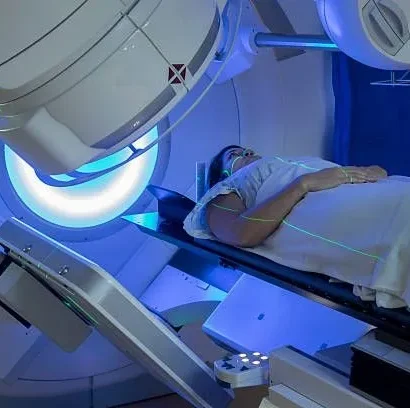
Treatment Technologies, Radiotherapy Techniques
Radiotherapy Techniques
Description:
Advanced Radiotherapy Techniques for Cancer Treatment
Understanding Radiotherapy Techniques
Radiotherapy uses high-energy radiation to destroy cancer cells. The treating oncologists will evaluate your medical records to determine which specific technique is appropriate for your case. Here are the advanced options available at our partner hospital.
Gyro Knife (Cobalt-60)
This non-invasive gamma knife radiotherapy system delivers precision-targeted treatment. Specifically, it is indicated for brain tumors, lung cancer, spinal cord tumors, and head and neck tumors. Furthermore, it is highly suitable for patients who are unsuitable for craniotomy or those requiring precise localization.
VMAT Linear Accelerator & 3D-CRT
The Elekta VMAT system utilizes arc-based intensity-modulated radiotherapy for rapid radiation delivery. Consequently, it helps patients requiring high doses and high tissue protection, making it ideal for breast, prostate, and esophageal cancers.
Additionally, 3D Conformal Radiotherapy (3D-CRT) designs radiation beam shapes based on the exact tumor shape. Therefore, it is excellent for patients undergoing conventional radiotherapy for lung, liver, or bladder cancers who wish to reduce side effects.
IMRT and IGRT
Intensity-Modulated Radiotherapy (IMRT) modulates radiation intensity to achieve a non-uniform irradiation distribution. First, it is frequently used for nasopharyngeal cancer, prostate cancer, and head and neck tumors. Specifically, it is highly suitable for tumors located near important organs.
Furthermore, Image-Guided Radiotherapy (IGRT) uses real-time image guidance to improve precision. Ultimately, this is essential for tumors with significant mobility, such as lung and liver tumors.
Stereotactic Body Radiotherapy (SBRT)
SBRT delivers high-dose, precise radiotherapy for small volume lesions. Therefore, it is commonly indicated for lung cancer, liver cancer, pancreatic cancer, and brain metastasis.
Additionally, it serves as a non-surgical curative treatment for patients who cannot undergo surgery or those experiencing postoperative recurrence.
HDR Brachytherapy & Hyperthermia
High Dose Rate (HDR) Brachytherapy delivers direct irradiation to the tumor through a cavity or tissue-based radiation source. Consequently, it provides excellent local control for cervical, rectal, and prostate cancers.
Finally, Radiofrequency Hyperthermia (HY7000) uses localized heating to enhance sensitivity to chemotherapy and radiotherapy. Furthermore, this is particularly beneficial for patients with advanced tumors or those who respond poorly to standard treatments.
Next Steps for Your Case
A hospital introduction cannot determine which care is appropriate for you. Suitability for these radiotherapy techniques depends on the individual case and is assessed by the treating doctors.
If you would like to explore which option is right for you, the first step is a specialist review. Our team helps coordinate the submission of your medical records to the treating oncologists for an official assessment.
Change your life
Take the Next Step
If you are exploring cancer care in China for yourself or someone close to you, speak with a coordinator about the review process.